Asphalt Sealcoating in Greenville, SC
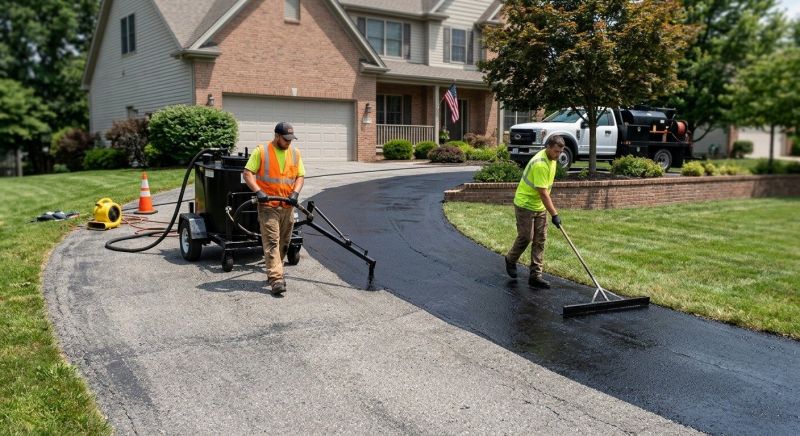
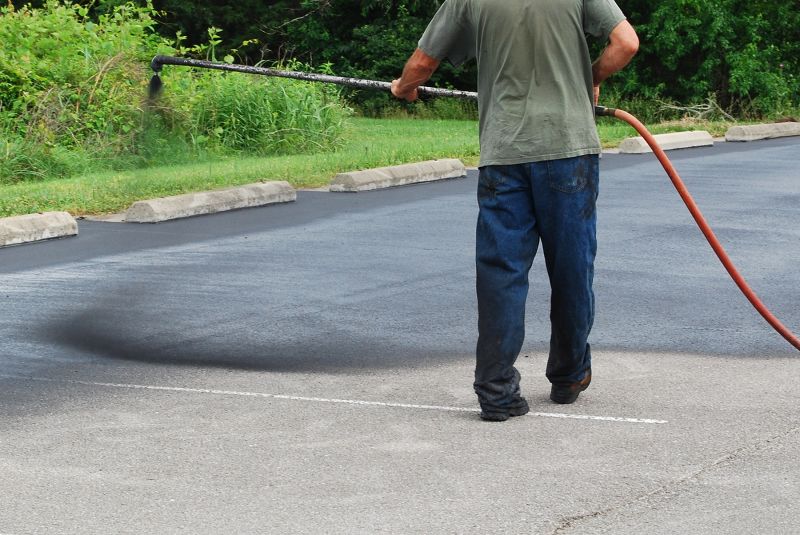
Asphalt sealcoating is a protective treatment applied to asphalt surfaces to help extend their lifespan and improve their appearance. This service is commonly used on driveways, parking lots, and other paved areas around residential properties. Sealcoating creates a barrier against water, oils, UV rays, and other elements that can cause the asphalt to crack, fade, or deteriorate over time. Property owners often request this service to maintain a smooth, professional look and to prevent costly repairs in the future.
Before requesting asphalt sealcoating, property owners should consider the current condition of their pavement. The surface should be free of large cracks, potholes, or loose debris for the best results. It’s also important to understand that sealcoating is most effective on properly prepared surfaces and may need to be reapplied periodically to maintain protection. Clear communication about the size of the area and existing pavement condition can help ensure the project meets expectations.
Many property owners in Greenville, SC look into Asphalt Sealcoating for repairs, replacements, upgrades, and appearance-related improvements.
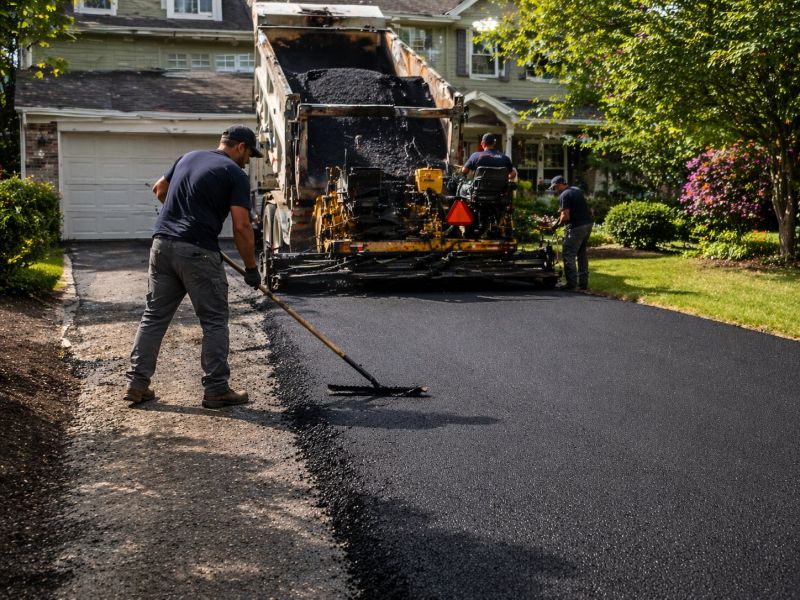
Protecting Your Asphalt Surfaces
Sealcoating helps prevent damage from water, chemicals, and uv rays on driveways and parking lots.
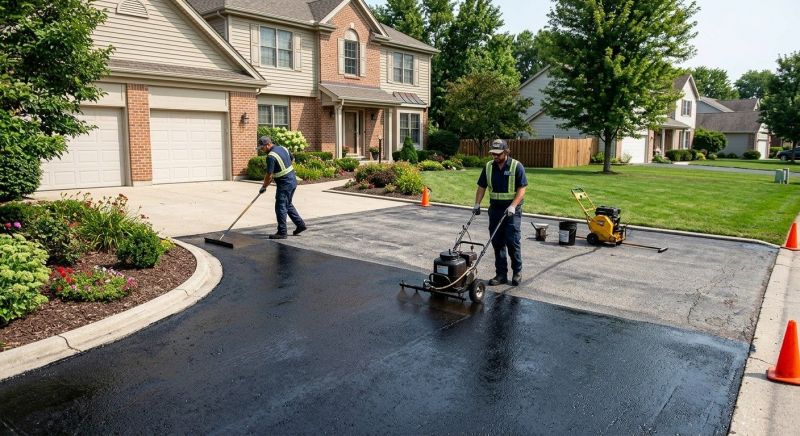
Enhancing Curb Appeal
A fresh sealcoat can improve the appearance of asphalt surfaces around greenville homes and businesses.
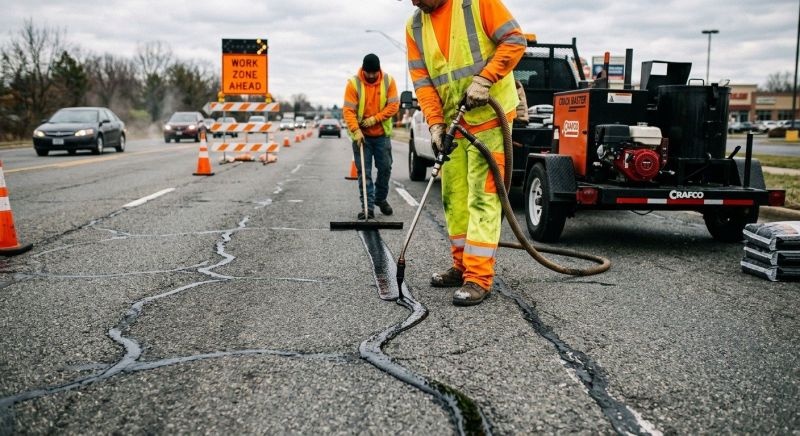
Extending Pavement Lifespan
Regular sealcoating can significantly delay the need for costly repairs and replacements.
Asphalt Sealcoating in Greenville, SC
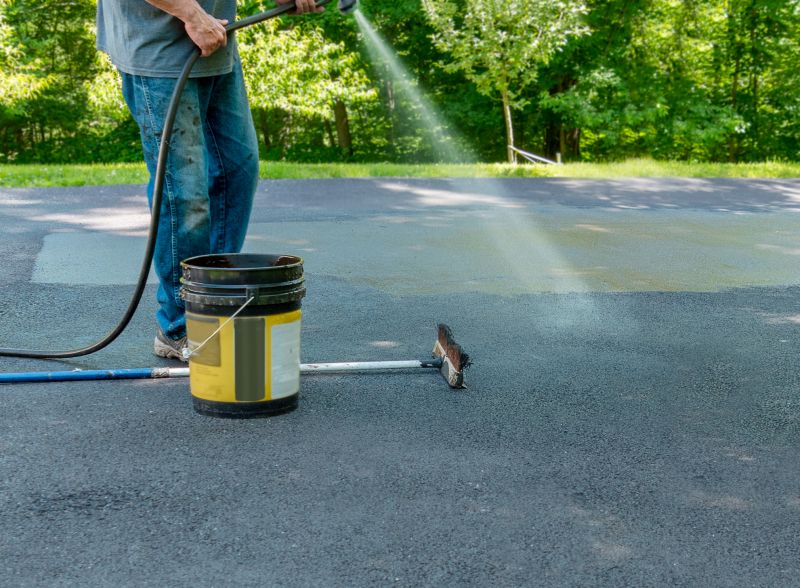
Asphalt sealcoating is a protective treatment applied to asphalt surfaces to help extend their lifespan and improve their appearance. This service is commonly used on driveways, parking lots, and other paved areas around residential properties. Sealcoating creates a barrier against water, oils, UV rays, and other elements that can cause the asphalt to crack, fade, or deteriorate over time. Property owners often request this service to maintain a smooth, professional look and to prevent costly repairs in the future.
Before requesting asphalt sealcoating, property owners should consider the current condition of their pavement. The surface should be free of large cracks, potholes, or loose debris for the best results. It’s also important to understand that sealcoating is most effective on properly prepared surfaces and may need to be reapplied periodically to maintain protection. Clear communication about the size of the area and existing pavement condition can help ensure the project meets expectations.
Many property owners in Greenville, SC look into Asphalt Sealcoating for repairs, replacements, upgrades, and appearance-related improvements.
Common Asphalt Sealcoating Jobs
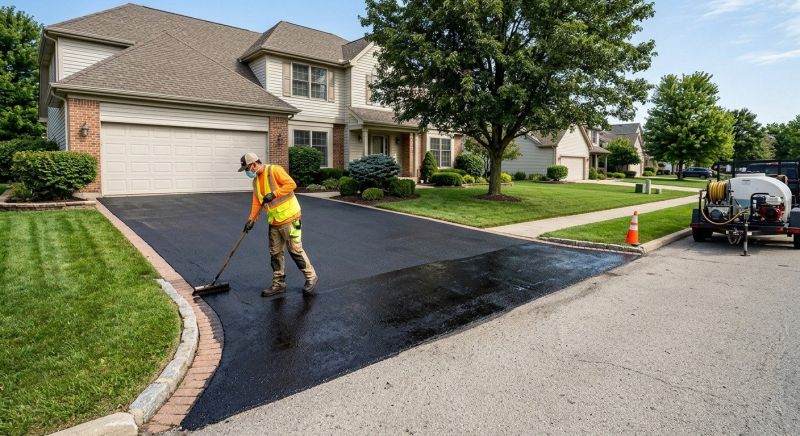
Residential driveways - asphalt sealcoating helps protect against weather damage and extends pavement life.
Parking lots - sealing large asphalt surfaces maintains appearance and prevents cracking.
Walkways and paths - sealcoating provides a smooth surface and reduces wear over time.
Commercial properties - regular sealing preserves asphalt integrity and enhances curb appeal.
Repaired asphalt surfaces - sealcoating offers an added layer of protection after repairs.
New asphalt installations - sealing soon after installation helps preserve the surface for years.
Asphalt Sealcoating Questions
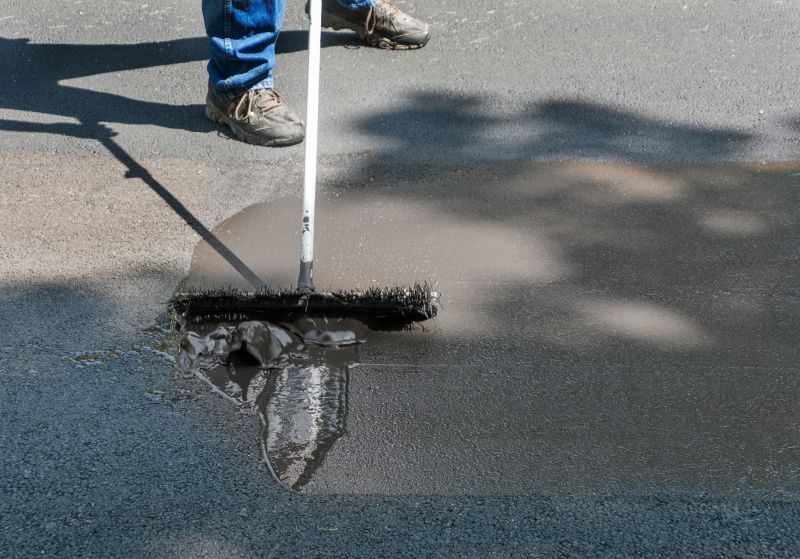
What is asphalt sealcoating? Asphalt sealcoating is a protective layer applied to asphalt surfaces to prevent damage from weather, water, and UV rays.
What types of surfaces benefit from sealcoating? Driveways, parking lots, and walkways are common surfaces that benefit from sealcoating to extend their lifespan.
How often should asphalt be sealcoated? Typically, asphalt surfaces should be sealcoated every 2 to 3 years to maintain protection and appearance.
What are the main advantages of sealcoating? Sealcoating helps prevent cracks, reduces surface deterioration, and improves curb appeal of asphalt areas.
Request Asphalt Sealcoating in Greenville, SC
Use the quote form on this page to share the basics of your project and request more information for the type of work you need.